Top Payment Security Tips Every Merchant Should Follow
Learn the top payment security tips every merchant should follow. Protect customer data, prevent fraud, and stay PCI compliant with secure payment practices.
As digital payments continue to grow, so do the threats that target merchants and their customers. A survey by the Association for Financial Professionals found that 79% of organizations were victims of payments fraud attacks/attempts in 2024.
From data breaches to fraudulent transactions, payment security is no longer optional—it’s a business essential. By implementing the right safeguards, merchants can protect sensitive data, maintain compliance, and build long-lasting customer trust.
This guide outlines the top payment security tips for merchants, along with the most effective ways to strengthen your payment environment and prevent costly security incidents.
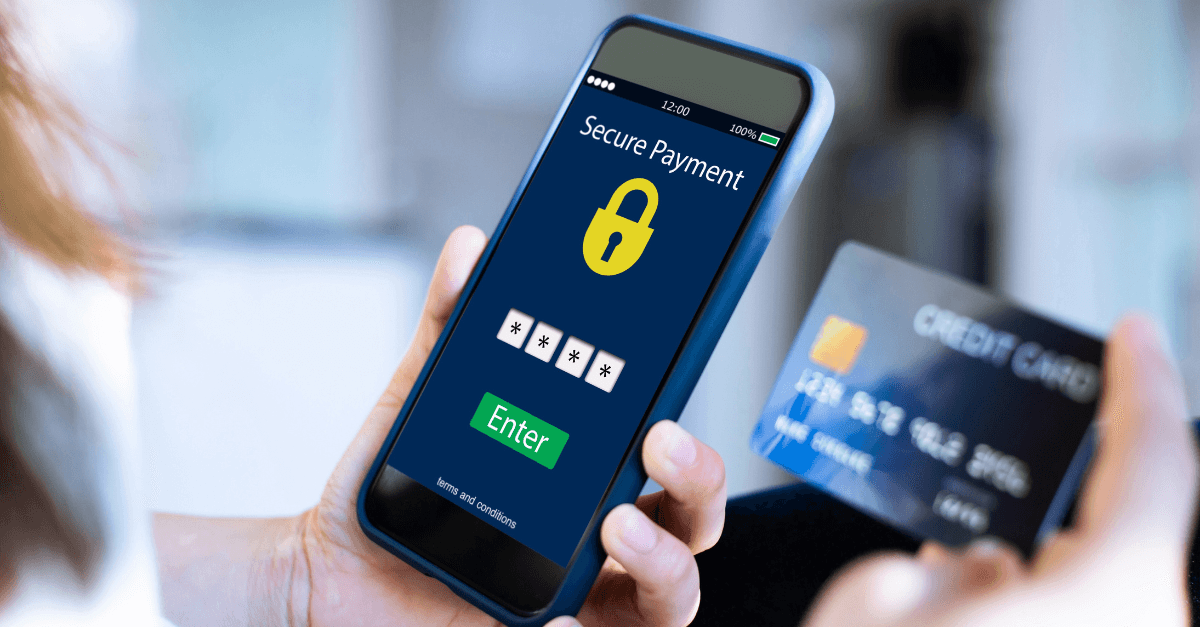
Why Payment Security Matters
Consumers expect fast, seamless, and secure transactions. A single security lapse can lead to financial loss, reputational damage, and compliance penalties—especially under PCI DSS requirements. Prioritizing payment security helps merchants:
Reduce chargebacks and fraud
Protect cardholder data
Maintain PCI compliance
Improve customer trust and retention
Avoid costly security breaches
1. Use a PCI-Compliant Payment Processor
One of the easiest ways to enhance security is to work with a PCI-compliant payment processor like TRX Services. PCI DSS compliance ensures that all systems involved in processing, storing, or transmitting cardholder data follow strict security standards.
Key benefits of PCI-compliant payment processing include:
Encrypted data transmission
Secure card data storage
Fraud monitoring and reporting
Reduced risk of cyberattacks
2. Enable EMV Chip and Contactless Payments
EMV chip and NFC/contactless payments offer strong security advantages over magnetic stripe cards.
Why EMV and contactless matter:
Chip technology makes card cloning significantly harder
Contactless payments reduce physical card handling
Transactions are authenticated and tokenized automatically
Accepting EMV and contactless payments supports faster checkout times while strengthening fraud protection.
3. Implement Strong Fraud Prevention Tools
Fraud attempts continue to rise across ecommerce and in-person channels. In fact, the research firm Nilson Report predicted that card fraud losses worldwide will reach over $403 billion over the next ten years. To help prevent card fraud, merchants should use tools such as:
AVS (Address Verification Service)
CVV verification
Velocity checks
IP and geolocation monitoring
Machine learning fraud detection tools
TRX Services provides flexible fraud prevention features that help merchants catch suspicious activity before the transaction is approved.
4. Use End-to-End Encryption and Tokenization
Two of the most effective payment security technologies are encryption and tokenization:
End-to-end encryption protects card data during transmission.
Tokenization replaces card numbers with secure, non-sensitive tokens.
Together, these tools greatly reduce the risk of compromised card data—even if a system is breached.
5. Protect Your Online Checkout Environment
Ecommerce merchants must safeguard their checkout pages and online payment flows. Best practices include:
Installing an SSL certificate
Keeping shopping cart and CMS platforms updated
Using firewalls and real-time malware scanning
Enabling multi-factor authentication (MFA) for admin access
Limiting user permissions
For online merchants, a secure hosted payment page—like those offered by TRX Services—is one of the safest ways to process payments without handling card data directly.
6. Train Employees on Payment Security Best Practices
Employees are often the first line of defense in preventing payment fraud. Regular training should cover:
Spotting suspicious transactions
Identifying phishing attempts
Safely handling customer payment data
Following secure login and password procedures
Human error contributed to 95% of data breaches in 2024. Training helps reduce that risk significantly.
7. Monitor Transactions in Real Time
Real-time transaction monitoring makes it possible to detect abnormal behavior quickly—before it becomes a larger issue. Merchants should regularly review:
High-value transactions
Repeated failed transaction attempts
Unusual purchasing patterns
Cross-border IP addresses
TRX Services provides built-in reporting tools that help merchants identify and stop suspicious activity.
8. Keep All Systems Updated
Outdated point-of-sale systems, ecommerce plugins, and software applications are vulnerable to attacks. Merchants should:
Perform regular system updates
Use secure, modern hardware
Apply security patches promptly
Retire legacy systems that no longer support compliance
Keeping point-of-sale systems and other applications current reduces exploitable weaknesses.
Final Thoughts: Strengthen Your Payment Security Strategy
Strong payment security is essential for protecting your business and your customers. By partnering with a trusted provider like TRX Services, merchants can leverage advanced payment technology, built-in compliance, and proactive chargeback and fraud prevention tools.
To learn how TRX Services can support your payment security needs, contact us today.